This article has been provided by Ecommerce Europe’s national association in Bosnia and Herzegovina: The eCommerce Association of Bosnia and Herzegovina
Double international appearance in Salzburg and Istanbul puts local market on the map
Bosnia and Herzegovina’s eCommerce market, although still developing, took an important step onto the international stage with recent appearances at two of the world’s major digital trade events: the WCA eCommerce Conference in Salzburg and WORLDEF Istanbul.
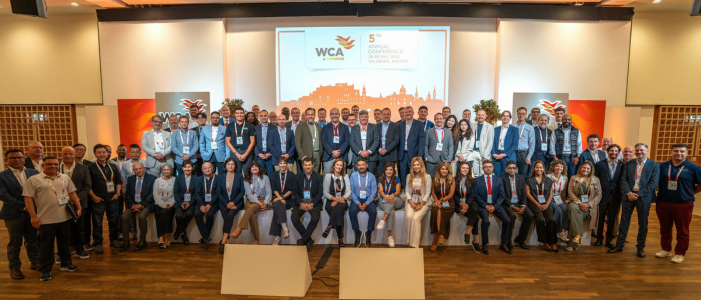
At the WCA eCommerce Conference, organized by WCAworld, the world’s largest logistics network with members in around 180 countries, Bosnia and Herzegovina was represented for the first time on the main stage. Belma Ljuta Agić, Executive Director of the eCommerce Association in BiH, spoke as a keynote speaker, sharing an honest overview of the local market. While highlighting the potential for growth, she addressed persistent challenges such as underdeveloped delivery infrastructure, complex logistics, and the continued dominance of cash-on-delivery payments.
Belma also emphasized emerging positive trends, including the rapid growth of mobile shopping, increasing consumer trust in domestic online stores, and the rise of local brands that have achieved international recognition for their quality and distinctive design, proving that even smaller markets can build a global footprint.
“This was an opportunity to show where we really stand, and to openly speak about what is needed for further development. It was not a moment for polished narratives, but for real dialogue about the state of our market”- Belma said.
A similar message was brought by Orhan Gazibegović, President of the eCommerce Association in BiH, at WORLDDEF Istanbul, one of the largest global gatherings dedicated to digital commerce, which this year welcomed over 30,000 participants, 310 exhibitors, and about 150 speakers from more than 40 countries. Gazibegović focused on the need for stronger regional cooperation and harmonization of standards to enhance Southeastern Europe’s competitiveness in global eCommerce.
“Such forums don’t offer ready-made solutions, but they build bridges of cooperation and trust,” Orhan noted. “It was crucial to present the specific challenges and experiences of Bosnia and Herzegovina’s market, to show that we have the expertise, potential, and ambition to be an equal player in regional and European digital trade. By opening space for dialogue with countries and companies that can become our partners, we take an important step towards strengthening the local economy and positioning our businesses internationally.”
While these appearances won’t solve the structural challenges of Bosnia and Herzegovina’s eCommerce sector overnight, they mark a meaningful effort to insert the country’s voice into conversations shaping the future of European and global digital trade.